
Mega-Caps Lead as Momentum Lags
Key Takeaways
- Oil rises on Middle East tensions.
- Momentum pulls back.
- CPI declines.
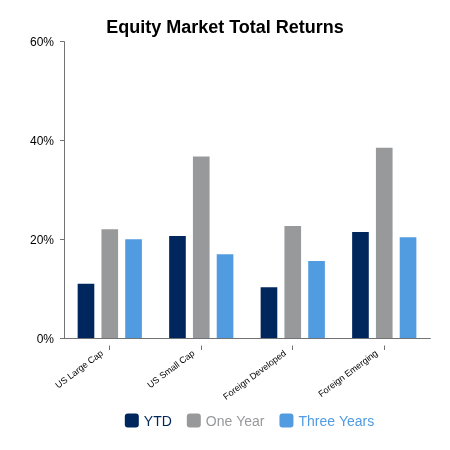
The S&P 500 finished the week up 1.2% as mega-cap technology names showed strength. The NASDAQ would outpace the S&P 500 despite continued weakness in the semiconductor sector. Memory related equities sold off, but continued industry rotation helped support markets. The Magnificent 7 Index was up more than 4% in the week and outpaced a basket of memory names by nearly 12%.
Under the surface, the more speculative equities are seeing sizeable drawdowns. Many speculative names had some big momentum moves as they tagged off strength in chip companies, but the drawdowns are now exceeding 50%. Space related equities continue to lag significantly and are leading the market lower today. The momentum factor is the worst factor over the last month, while the value factor has moved to the top. The quality factor continues its steady performance.
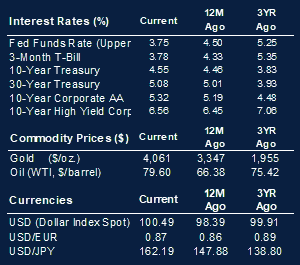
Rising tensions in the Middle East have given oil prices a lift in recent days. It was no surprise to see the energy sector lead returns in the week. Health care, which has been strong in recent months, was the worst industry performer in the week.
Foreign developed markets slightly outperformed in the week and now have year-to-date returns of 10.9%. They sit barely behind the S&P 500 returns of 11.3% as the two have been tracking very closely over the last two and half months. Emerging markets continue to outpace, but Korea has fallen 25% over the last three weeks.
Fed Chair Maintains Hawkish Tone
Fed Chair Kevin Warsh testified before lawmakers on July 14, reiterating that the Fed has “no tolerance for persistently elevated inflation” and reaffirming commitment to restoring price stability. Other governors are voicing their desire to raise rates if disinflation signs don’t materialize soon. Warsh stated he is “not happy with any measure of inflation” and continues to strike a more hawkish message compared to former Fed Chair Powell.
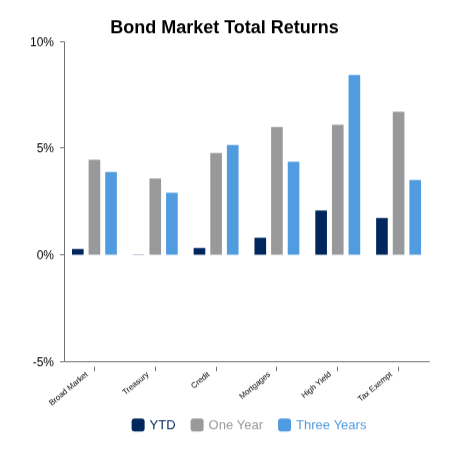
Economic data on the week was highlighted by the CPI report, which showed that prices fell 0.4% in June. It was the first monthly decline since 2020. Core CPI was flat versus the previous month. Producer prices would also come in below expectations. The drop was led by gasoline prices, which had their largest monthly drop since 2022. The bond market doesn’t see a material inflection in inflation given that 30-year yields are back near their highs for the year.
 |
 |
Sources: BTC Capital Management, Bloomberg
The information provided has been obtained from sources deemed reliable, but BTC Capital Management and its affiliates cannot guarantee accuracy. Past performance is not a guarantee of future returns. Performance over periods exceeding 12 months has been annualized.
This content is provided for informational purposes only and is not intended as an offer or solicitation with respect to the purchase or sale of any security. Statements in this report are based on the views of BTC Capital Management and on information available at the time this report was prepared. Rates are subject to change based on market and/or other conditions without notice. This commentary contains no investment recommendations and should not be interpreted as investment, tax, legal, and/or financial planning advice. All investments involve risk, including the possible loss of principal. Investments are not FDIC insured and may lose value.