

Iran War Dominates as Oil Spikes
Key Takeaways
- Oil prices surge on Strait of Hormuz closure.
- February jobs report comes in negative.
- Private credit cracks widen.
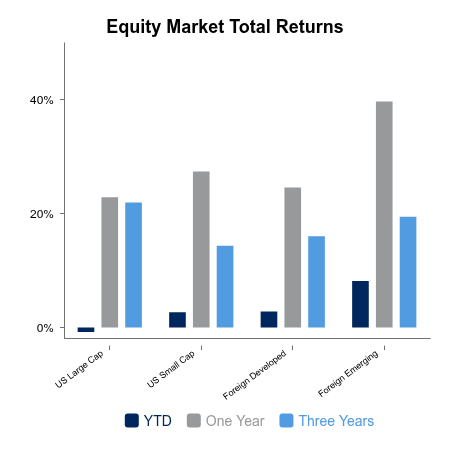
The S&P 500 was down 1.3% for the week and closed at its lowest level since mid-December. The U.S.-Iran war, which began on February 28, entered its second week and became the dominant driver of market activity. Escalation over the weekend would see oil prices rise more than 30% on Sunday night after a 35% rise in the preceding five days. By Monday morning, comments from the White House were trying to downplay the length of the war and oil prices would go from +30% to -10% during Monday trading before closing slightly higher.
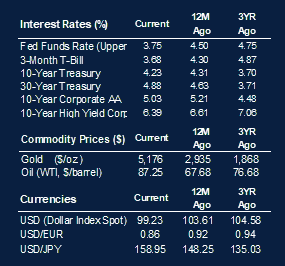
Actions in recent days have overshadowed comments earlier in the week. Iran has hit several refineries in neighboring countries which is causing companies and countries to declare force majeure or export controls. Iran has hit several tankers with missiles and there are reports of mines placed in the Strait of Hormuz (Strait). Commentary from the White House has shifted since the beginning of the week to imply a longer duration. Last night the White House authorized the release of more than 40% of the Strategic Petroleum Reserve to control prices. Oil experts are saying this is a fraction of what is being suppressed daily via the closure of the Strait. And with headline risk out the way, oil prices are on the rise again today.
Energy isn’t the biggest bottleneck via the Strait. One-third of globally traded fertilizers pass through the Strait. 80% of key petrochemicals enroute to Asia are being suppressed. Qatar supplies more than one-third of global helium, which is irreplaceable in semiconductor manufacturing.
Weak jobs report adds to concerns
The February employment report showed the economy lost 92,000 jobs, which was below the consensus estimate for a gain of 59,000. The unemployment rate nudged higher to 4.4%. On the positive side, retail sales and the consumer price index (CPI) both came in line with expectations. The Citi Surprise Index and Atlanta GDPNow remain well anchored in the stable growth regime.
Private credit stress intensifies
BlackRock capped withdrawals from its $26 billion HPS Corporate Lending Fund at 5%, despite investors requesting redemptions of 9.3% of the fund’s net asset value. This was the first time the fund breached its quarterly redemption threshold since inception. BlackRock shares fell more than 7% on the day. Cliffwater, which is believed to have the largest direct-lending interval fund at more than $30 billion, also had to limit redemptions after receiving requests for 14% of the net asset value.
 |
 |
Sources: BTC Capital Management, Bloomberg
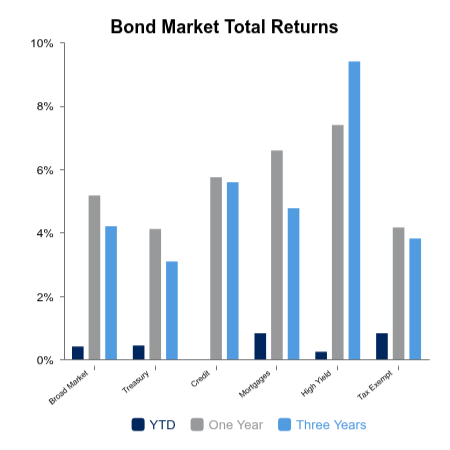
The information provided has been obtained from sources deemed reliable, but BTC Capital Management and its affiliates cannot guarantee accuracy. Past performance is not a guarantee of future returns. Performance over periods exceeding 12 months has been annualized.
This content is provided for informational purposes only and is not intended as an offer or solicitation with respect to the purchase or sale of any security. Statements in this report are based on the views of BTC Capital Management and on information available at the time this report was prepared. Rates are subject to change based on market and/or other conditions without notice. This commentary contains no investment recommendations and should not be interpreted as investment, tax, legal, and/or financial planning advice. All investments involve risk, including the possible loss of principal. Investments are not FDIC insured and may lose value.